

SpiralLighting BlogSpot
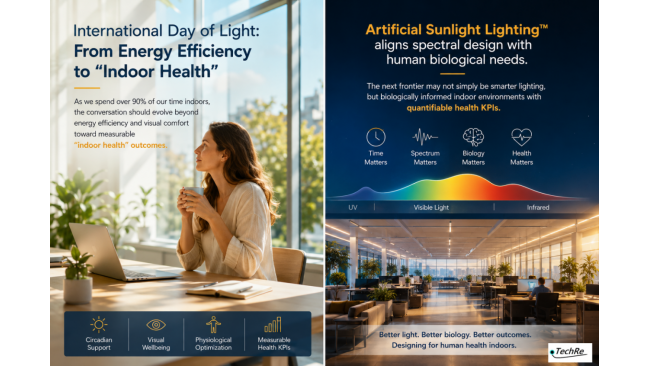
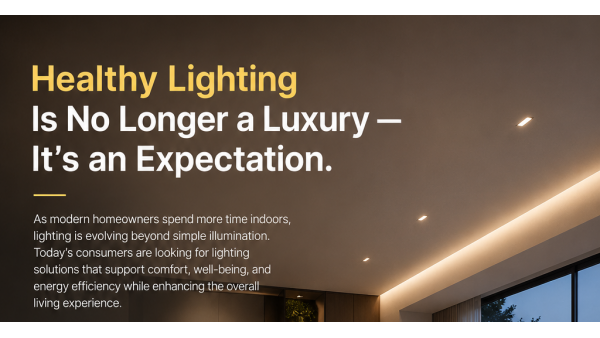
Modern lighting design is evolving beyond visibility and energy saving. With people spending over 90% of their time indoors, human-centric and health-measurable lighting has become the new industry frontier. Artificial sunlight lighting scientifically optimizes indoor light spectrum to match natural daylight features, supporting human physiology, improving comfort, productivity and long-term indoor health. It abandons exaggerated marketing...
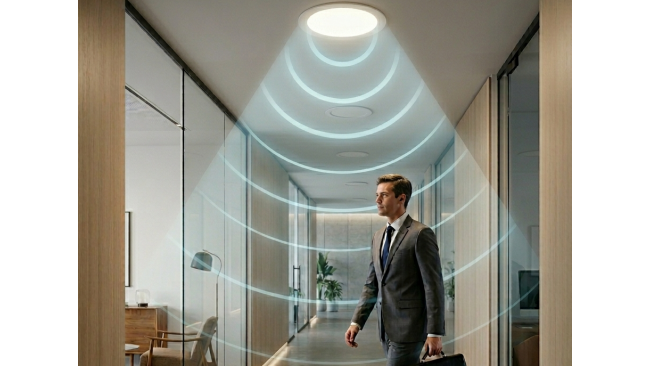
Radar sensor LED lights adopt advanced microwave induction technology based on the Doppler effect. Different from traditional PIR infrared sensors that only sense heat, radar sensors transmit high-frequency radio waves to detect moving objects through glass, wood and thin walls, offering higher sensitivity and stability. This article explains the working principle of radar inductive lights and analyzes common failures caused by signal...
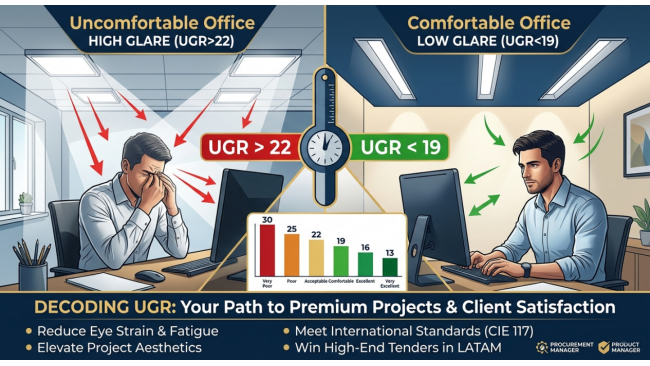
UGR (Unified Glare Rating) is the core international standard for evaluating lighting comfort and anti-glare performance. Widely required in premium offices, schools, hospitals and commercial projects, UGR values directly determine visual comfort, space grade and project acceptance results. Lower UGR ratings deliver healthier vision, higher-end lighting effects and more reliable project performance, helping buyers and designers avoid...
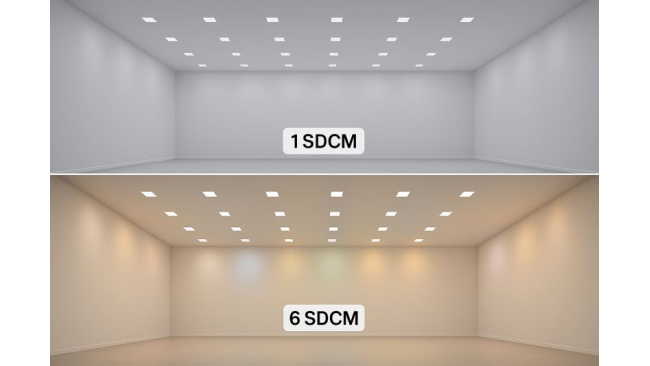
SDCM, also known as MacAdam ellipse, is a vital quality parameter to evaluate color consistency of lighting products. A lower SDCM value means better color stability and higher light quality. It is widely applied in offices, retail, architecture, outdoor and industrial lighting, and plays an important role in improving overall project quality and user experience.
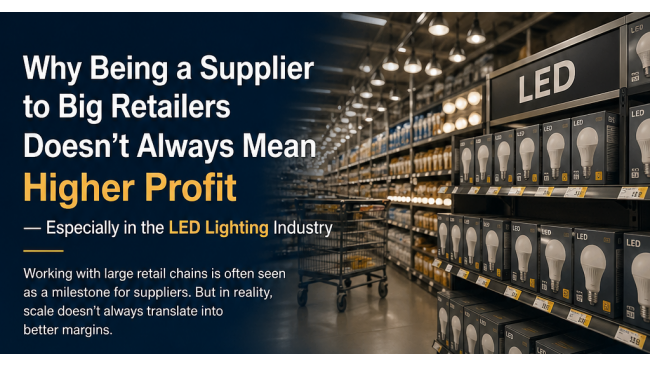
LED lighting suppliers should note: big retail chains bring scale but hidden risks—cash flow strain, pricing pressure, and compliance costs.
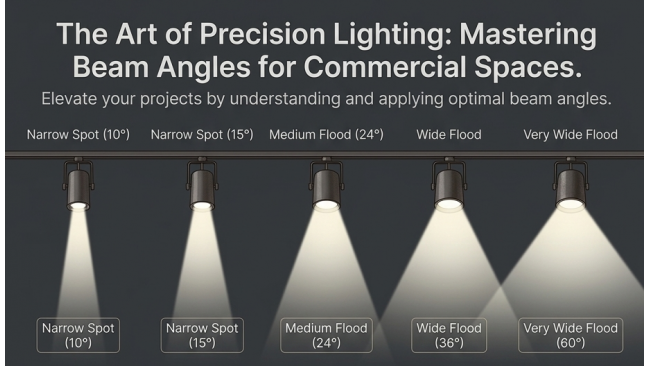
An overview of beam angle types, its importance in high-end lighting, and business advantages for South American markets, helping procurement and product managers upgrade lighting solutions.
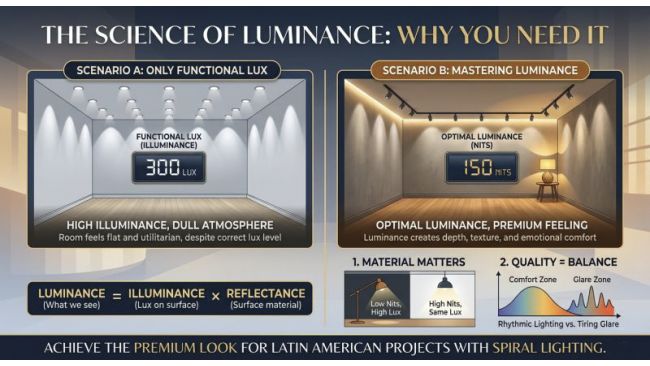
Many clients wonder why a room still looks dark and cheap even with sufficient lux levels. This guide differentiates Lux (light quantity) and Luminance (visual light quality), explaining how wall materials, light balance and low-glare UGR design shape high-end spatial atmosphere. Spiral Lighting helps you deliver comfortable, textured ambient lighting beyond simple datasheet parameters.
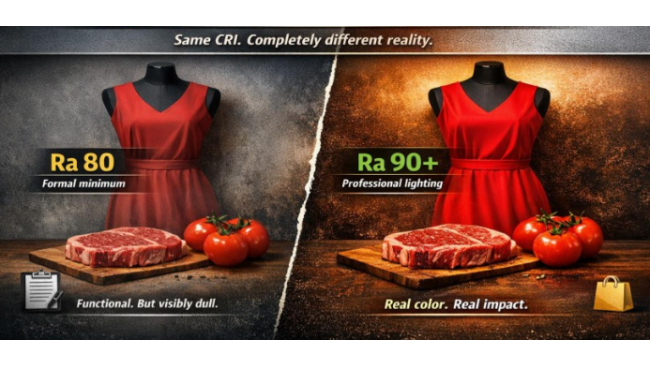
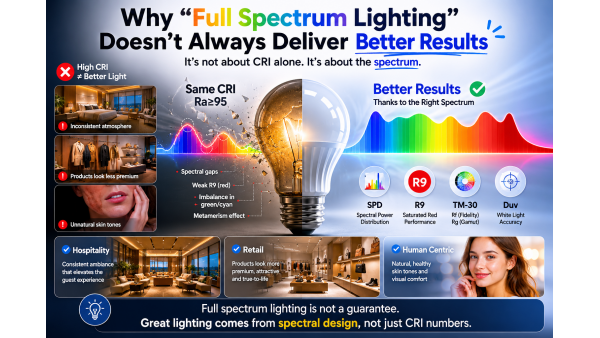
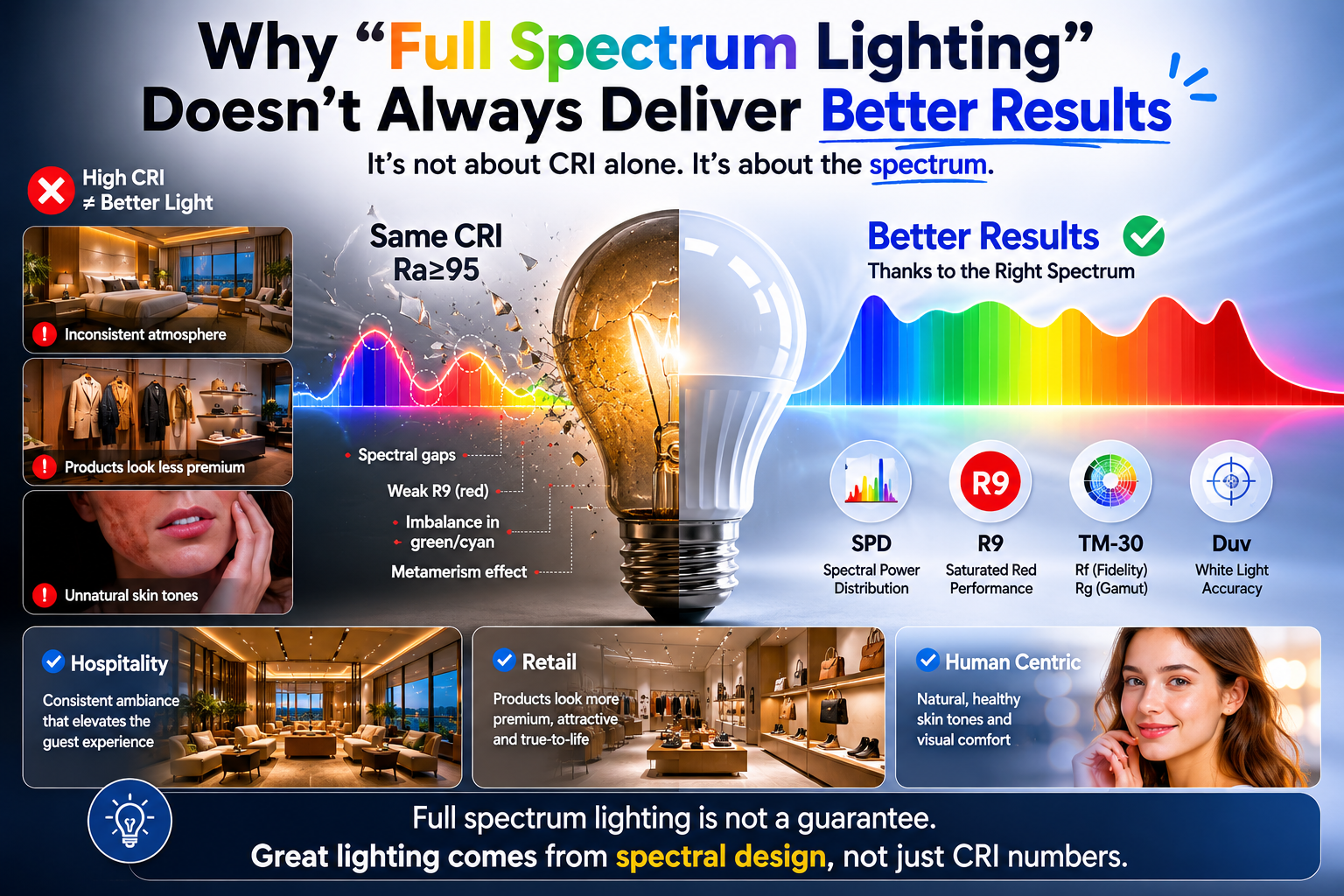
Most buyers only focus on lumens, while lighting professionals pay more attention to CRI (Color Rendering Index). This guide explains CRI definition, Ra level differences from Ra80, Ra90 to Ra95+, and reveals hidden parameters including R9 value, spectral distribution and TM-30. Master CRI knowledge for better lighting consultation, project planning and sales.