

Article types
SpiralLighting BlogSpot
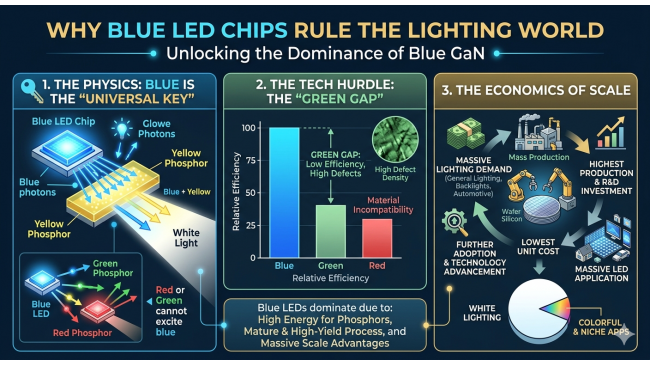
Have you ever wondered why mainstream white LED lighting relies on blue chips? This article explains the physical characteristics of blue light, technical limitations of green and red LEDs, and the economic benefits of mass production, revealing why blue chips become the core base of modern lighting.
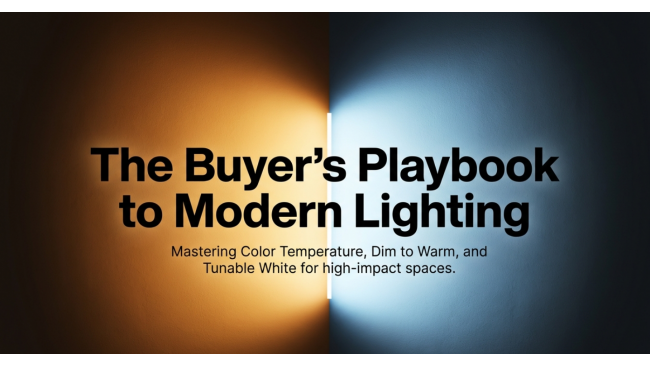
Modern lighting relies on dynamic color temperature control. This guide compares Dim to Warm and Tunable White technology, covering working principles, control systems, advantages and limitations. Discover the ideal dynamic LED lighting solution for hospitality, office and smart space projects.
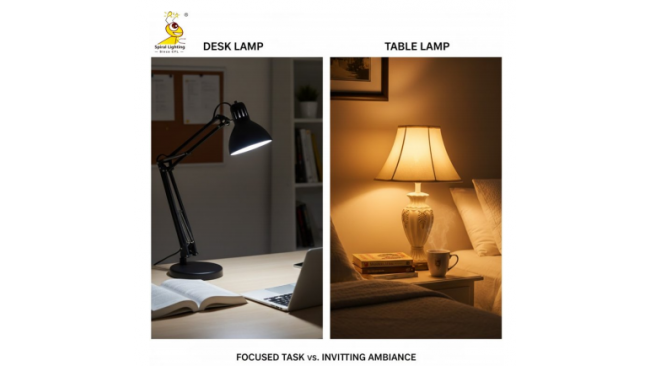
Desk Lamp vs. Table Lamp: The Ultimate Lighting Guide
Discover the key differences between desk lamps and table lamps, from function and design to light quality. Learn how to choose the right light for work, relaxation, and layered home design with expert tips from Spiral Lighting.
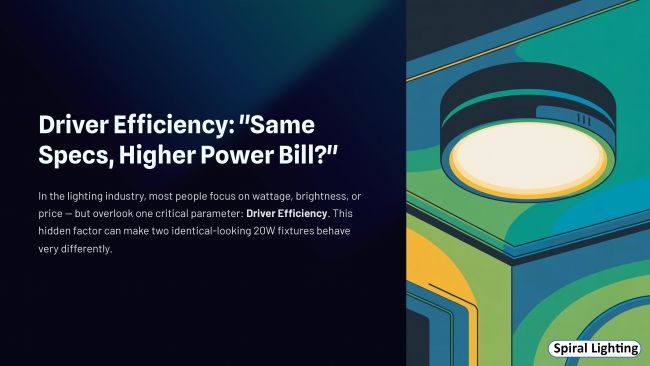
Most buyers focus on wattage, brightness, or price when choosing LED lights, but they often overlook driver efficiency. This critical parameter determines how much input power reaches the LED chips versus being lost as heat, directly affecting energy consumption, thermal performance, and product longevity. Professional fixtures typically feature drivers with 85%–95%+ efficiency to ensure reliable, long-lasting performance.
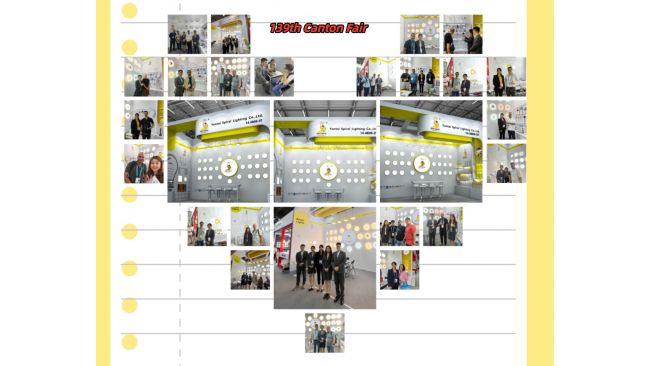
Summary of Spiral Lighting’s achievements at the 139th Canton Fair including new client connections market demands and upcoming business cooperation
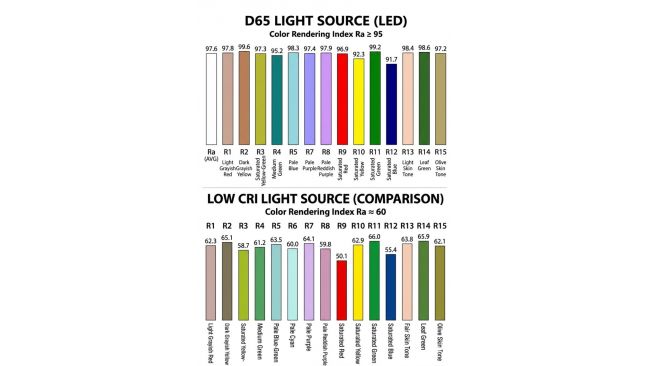
LED color temperature CRI Ra and Ri explained Learn how to choose the right color rendering index for different lighting scenarios
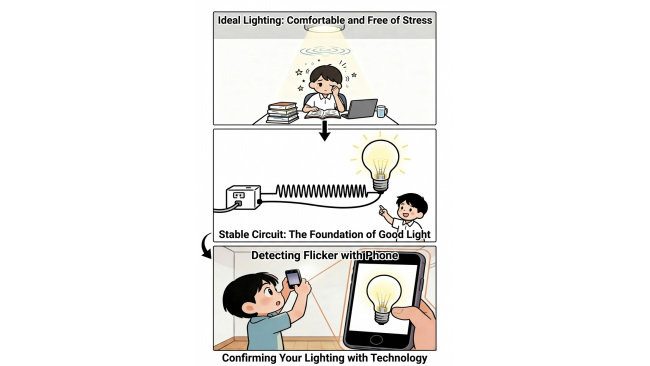
LED Flicker Hazards and Flicker-Free Lighting Solutions
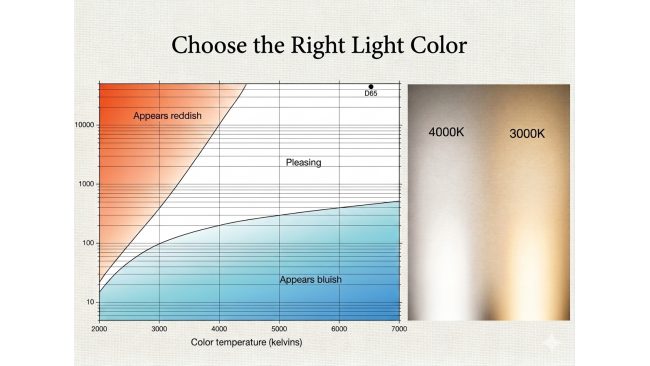
The Kruithof Curve shows lighting comfort depends on balancing colour temperature and illuminance. Warm light suits low lux; cool/neutral light works best for bright areas. Balance creates comfortable, efficient lighting.